Quick answer
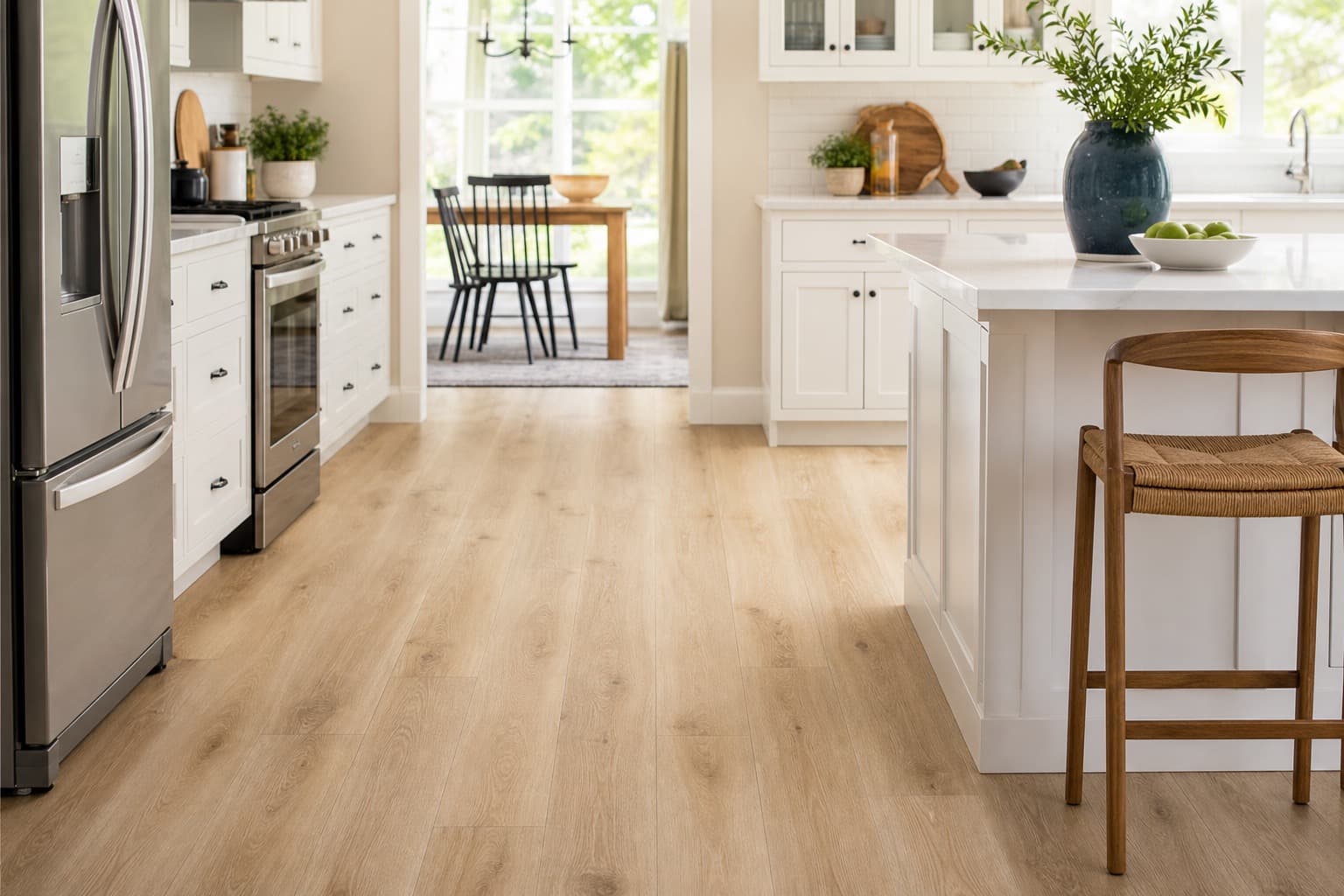
For many Minnesota basements, luxury vinyl plank and waterproof flooring are strong starting points because they handle everyday moisture concerns, spills, and cleanup better than many traditional wood-based floors. Carpet can still be a good choice in consistently dry basements when warmth, softness, and sound control matter most. Tile belongs on the short list for wet-prone zones such as bathrooms, laundry-adjacent areas, entries, or basement bars.
Guide overview
For a Minnesota basement, the best flooring is rarely chosen by looks alone. The right choice depends on how dry the lower level stays, how the room will be used, how much comfort matters, and how easy the floor needs to be to clean after everyday traffic, pets, kids, guests, storage, or laundry routines.
Because basements sit below grade, they ask more from flooring than a main-level bedroom or living room. Seasonal humidity, cooler concrete, spring thaw, heavy rain, sump pump history, mechanical-room leaks, and wet shoe traffic can all influence the right product short list.
That does not mean every basement needs the same floor. It means the decision should start with moisture risk and room use before narrowing the style direction.
Key takeaways
- Start with moisture risk before style, color, or product category.
- Luxury vinyl plank and waterproof flooring are strong short-list options for cleanup and everyday durability.
- Carpet can work well in consistently dry basements where warmth, softness, and sound control matter.
- Tile belongs in wet-prone zones when durability matters more than softness.
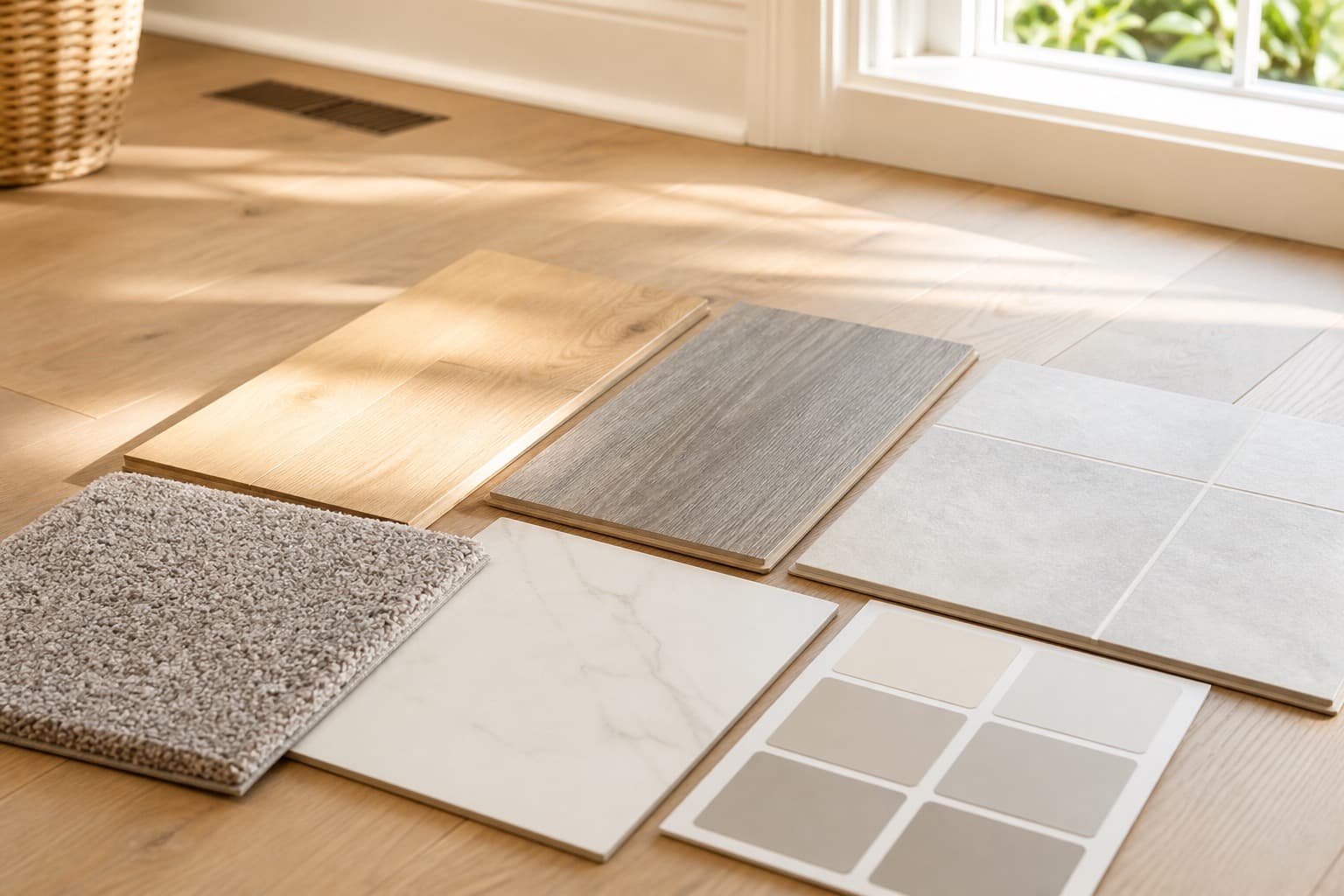
- Samples are easier to judge in the basement itself, where light, ceiling height, transitions, and room use are real.
The best basement floor starts with the basement itself
A lower-level family room, guest bedroom, playroom, office, workout area, storage zone, and laundry-adjacent space each need a different flooring conversation. Comfort may matter most in living areas, while moisture-ready cleanup may matter more near entries, laundry rooms, bathrooms, or mechanical spaces.
- Think about how the basement is used today and how you want it to feel after the update.
- Separate comfort priorities from moisture and cleanup priorities.
- Treat wet-prone zones differently than dry living zones when needed.
Why moisture comes first in a Minnesota basement
Moisture is the basement issue that can turn a good-looking flooring project into a frustrating one. Flooring may be affected by liquid water, damp concrete, high relative humidity, condensation, or water trapped below the finished surface. Mold and mildew concerns usually trace back to moisture control, so flooring should not be used to hide a water problem that needs to be corrected first.
- Look for musty odors, previous water marks, efflorescence, damp wall edges, active cracks, uneven concrete, sump pump history, or humid summer conditions.
- Ask whether the slab, underlayment, installation method, and product warranty fit the basement conditions.
- Solve serious water intrusion before treating the flooring choice as the fix.
Do not ignore comfort
Basements can feel cooler and firmer underfoot than main-level spaces. Carpet, rugs, underlayment choices, and some floating floors can help a lower level feel more finished and comfortable. The best answer balances comfort with cleanup, moisture risk, room use, and installation details.